Monaco Yacht Show 2026 Daywork: How Green Crew Get Hired
Monaco Yacht Show 2026: four days of show, three weeks of work
The Monaco Yacht Show 2026 runs 23–26 September at Port Hercule — the 35th edition, with Wednesday reserved for invited guests and VIP pass holders.
If you rock up on 22 September with a fresh CV and a clean polo, you've already missed the daywork.
It isn't during the show. It's in the run-up, when every boat on the exhibitor list is trying to look like it rolled out of the shed yesterday: teak scrubbed, stainless polished twice, bilges spotless, interior detailed to a standard no owner ever asked for. That panic starts in late August and peaks in the seven to ten days before the gates open. That's your window.
Nobody tells green crew the other half: once the site is built, you don't stroll onto the dock. Port Hercule goes into lockdown, vessel access is badge-controlled, and the quays become a ticketed exhibition site — passes are sold online only, from €400. Get onto a boat's list before that happens, or you're outside a fence.
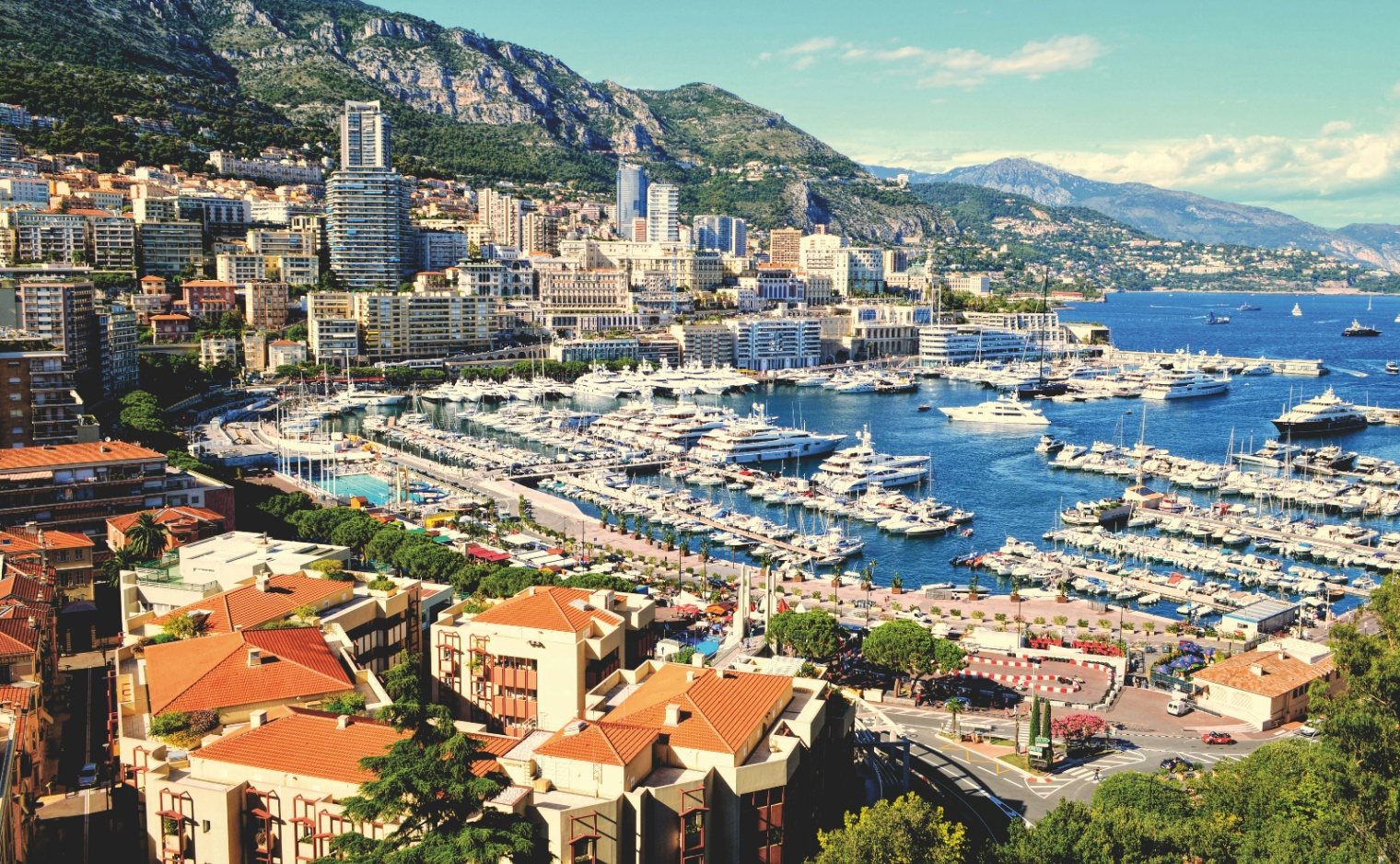
Where the show boats actually are beforehand
Not in Monaco. Berthing there is limited and eye-watering, so most show boats prep elsewhere and arrive at the last possible moment. In the weeks before, the fleet is spread across:
- Antibes — Port Vauban and the yard at Quai Camille Rayon in Golfe-Juan. The densest concentration of crew and boats in the Med, and your best base.
- Nice, Villefranche, Beaulieu-sur-Mer, Cap d'Ail and Fontvieille — the closer-in berths that fill as the show approaches.
- La Ciotat, Marseille and the Italian yards (Viareggio, La Spezia, Genoa) — boats coming out of refit.
- Cannes — the Yachting Festival runs 8–13 September 2026, and those boats move east along the coast straight afterwards.
Base yourself in Antibes for volume, then follow the work east. We've broken the hubs down in our guide to where and when to position yourself for daywork.
When to arrive
| Timing | What's happening | Your odds |
|---|---|---|
| Mid-Aug to early Sept | Yards, summer daywork, boats quietly building their list of reliable dayworkers | Best time to get on that list |
| 8–13 Sept | Cannes Yachting Festival pulls boats and crew west | Steady work, thinner competition |
| 14–22 Sept | Peak crunch. Long days, repeat calls, boats short-handed | Highest volume and best rates |
| Show week, 23–26 Sept | Crew in guest mode, quays accredited, no casual dock access | Thin unless you're already known |
| 27 Sept onwards | Breakdown, deep clean, Med wind-down, Atlantic crossing prep | Quieter but real |
The mistake is arriving the week of the show — by then the boats have their people. Give yourself two to three weeks, and treat the early, boring daywork as the interview.
How to land Monaco Yacht Show daywork
Dockwalk before the crunch, not during it. Be at the gate at 8am, not 11am — by mid-morning the mate has sorted his labour for the day. Antibes, Golfe-Juan, Nice, Beaulieu, then Monaco's neighbours. Our dockwalking guide covers the script and the etiquette; the short version is polite, brief, and don't step aboard uninvited.
Register with the Antibes agencies in person. They fill last-minute show gaps by phone, and they call people they've met.
Get into the daywork WhatsApp and Facebook groups. Show-season posts fill in minutes — notifications on, and a one-line reply (name, position, where you are, when you're free) beats a paragraph.
Be findable. Answer your phone, keep your CV as a PDF and your certificates on your phone. No CV yet? Build one before you go — "no experience" isn't the same as "nothing to put on paper." Rather than refreshing five groups all day, put your Monaco dates and availability on Radius once and let boats come to you.
Then get asked back. Almost every green crew member who ends up with three solid weeks of Monaco work got there from one good first day. Show up early, work the boring jobs without commentary, and leave your number with the bosun or chief stew.
Bring a navy or white polo, navy shorts, deck shoes you have not walked the street in, sunscreen, water, sunglasses, and digital copies of your STCW and ENG1. Turn up looking like crew, not like a tourist who read about yachting.
What prep week is really like
Honestly? Chaos — and the chaos is the point.
You'll start at 6:30 and you won't know when you finish. It rained overnight, so four of you are chamois-ing water spots off 60 metres of paint before the sun hits it. Then teak. Then stainless, which you'll polish twice, because a contractor came aboard with a toolbox and put his hands all over the handrail you just finished.
Below decks it's full detail turnarounds: every surface, every glass, every drawer, laundry non-stop, flowers late, provisioning stacking up in the passerelle. AV techs, varnishers, engineers and yard contractors are all aboard at once, in each other's way, all convinced their job is the priority.
Nothing is ready until it's suddenly ready. There will be 2am finishes. Tempers go. Someone will snap at you for something that isn't your fault.
The crew that turn you down at you at 1am is the same crew that asks for your number at 3pm the next day, because you didn't complain.
That's exactly why this is the best window green crew get. In a calm week a boat hires an experienced freelancer; in show week they need hands, and what they're testing is whether you turn up early, work quietly and don't need managing. For the daily rhythm, read our day in the life of a deck dayworker or an interior dayworker.
Daywork rates and getting paid
In the South of France in 2026, daywork sits in the €100–€150 a day band, with €120–€130 common for green crew and lunch often included. A full day is eight to ten hours; anything beyond that should be agreed, not assumed. Show crunch can push rates up, but don't count on a premium you haven't been offered.
Cash still happens, less than the forums suggest — plenty of boats and management companies now want an invoice, and some ask for a self-employed registration number. Ask two questions before you start: what's the rate, and how and when do I get paid? Nobody minds. Then log every day: date, boat, hours, rate, who hired you. If a payment goes quiet, one polite message to the person who hired you usually fixes it.
Working in France on a tourist entry is a grey area. Know your own visa position before you plan a season around it.
What catches green crew out
Monaco is expensive and the beds vanish. Antibes crew houses book out for show season, and Monaco accommodation in show week is fantasy. Most dayworkers commute: Nice to Monaco–Monte-Carlo is 20–25 minutes by train for a few euros, Antibes closer to an hour and about €10 each way. Check the last train before you agree to a 2am finish.
Work stops the day the show opens. Once the boats are dressed and the brokers are aboard, nobody wants extra bodies on the dock. Some crew line up breakdown work afterwards; many go from three jobs a day to none overnight.
Plenty of green crew lose money here. They arrive on the 20th, spend €1,000+ on beds and trains, get six days of work and go home. Arriving early, staying cheap and being genuinely useful is the whole difference.
Your next step
If Monaco is your plan, you have about six weeks. Get your STCW Basic Training and ENG1 medical sorted, build the CV, book a bed in Antibes from mid-September at the latest, and treat every unglamorous day between now and the 23rd as the thing that earns you Monaco Yacht Show daywork.
For the wider season — Cannes, Fort Lauderdale, Palma — see our boat show and event daywork guide, and if this would be your first job on a boat, start with how green crew land their first day of work.