Boat Show Daywork: What It Costs and Is It Worth It?
Booking a flight to a boat show because you heard "there's tons of daywork" is a bet, not a plan. Sometimes it pays: a green deckhand lands six days of build-up at €140 a day and walks off with a reference and a phone number. Sometimes it doesn't, and you spend nine nights in a crew house bunk watching badged crew walk past you at the gate.
Whether boat show daywork is worth the airfare gets decided almost entirely before you fly — by your certificates, your timing, and whether the trip can survive a bad week. Here's the maths.
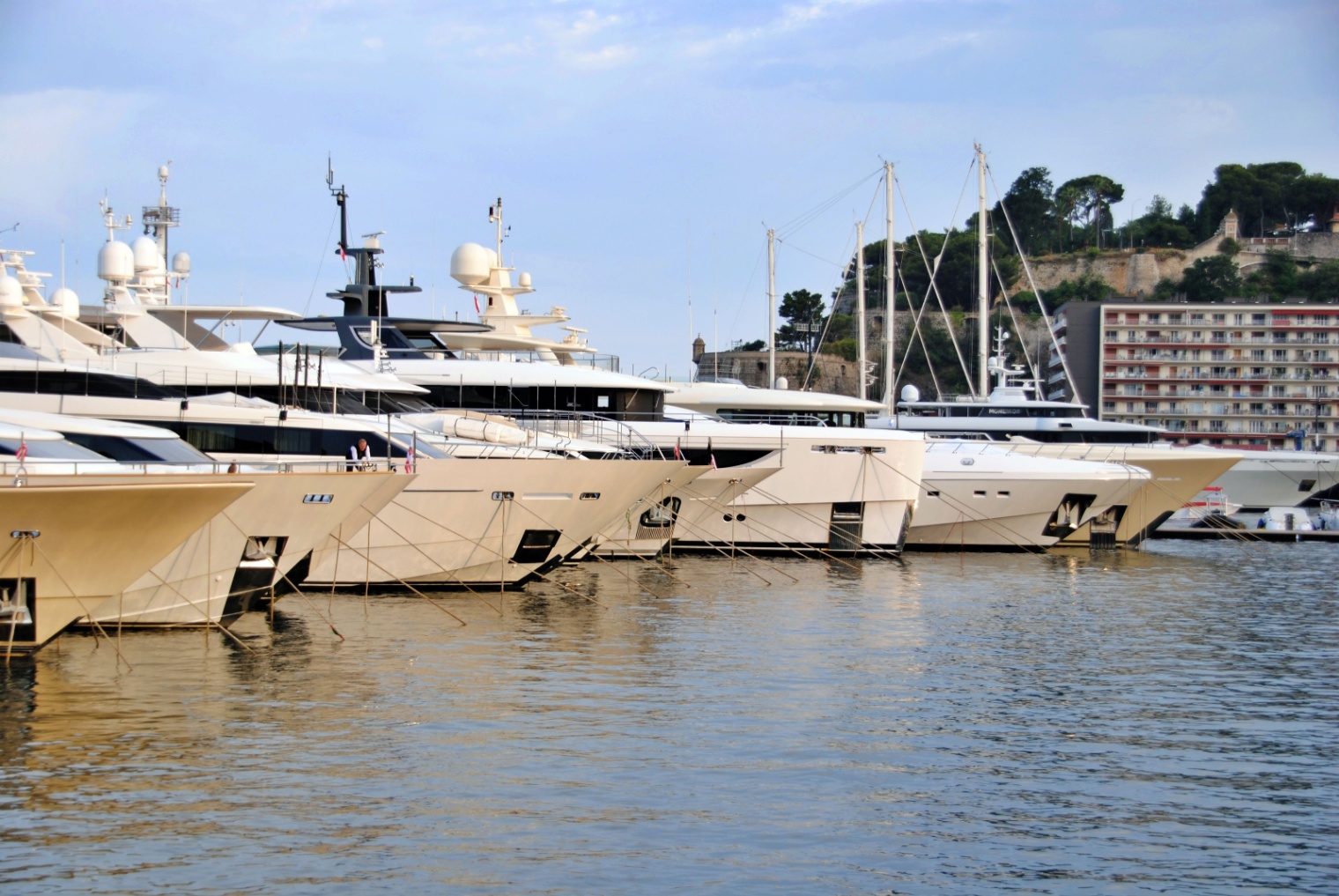
Why boat show weeks are good for daywork
This part isn't hype. Shows create a real, short, sharp labour shortage:
- Build-up and breakdown are labour surges. Every boat on display arrives filthy from a passage and has to look flawless in 48 hours: washdowns, stainless, teak, chamois-ing rails, carrying carpet and furniture, shifting toys off and back on. Permanent crew can't absorb that on top of their normal jobs.
- Boats run short-handed. Show boats often arrive with a skeleton crew and a chief stew who needs three extra pairs of hands today, not after a two-week recruitment process.
- Density. Hundreds of yachts in one basin with their crew standing on the passerelle. Nowhere else are there that many potential employers inside a 20-minute walk.
- Exposure that pays later. The mate who liked how you worked at Cannes hires for the Caribbean season in November.
The catch: everyone else read the same thing. Show weeks pull in a huge volume of green crew, so the labour surge meets a candidate surge. Being there isn't the edge — being there early, certified and reachable is. For the full calendar rather than the money side, we've covered daywork across the whole boat show and event season separately.
Where the daywork actually is
Shows sprawl across several basins, and the daywork rarely happens where the ticketed public walks. Dates and venues shift every year — FLIBS alone now spans seven separate sites — so treat these as "roughly when" and confirm on the official show site before you book anything.
| Show | Roughly when | Where the boats actually sit | The adjacent labour pool |
|---|---|---|---|
| Palma International Boat Show / Superyacht Village | Late April–early May | Moll Vell, Palma | STP Shipyard, Club de Mar, La Lonja bars |
| Cannes Yachting Festival | Early–mid September | Vieux Port (motor/superyachts), Port Canto (sail, brokerage, tenders) | Antibes / Port Vauban, 20 min by train |
| Monaco Yacht Show | Late September | Port Hercule | Antibes, Nice, Cap d'Ail |
| Genoa International Boat Show | Early October | Genoa waterfront / Marina Molo Vecchio | Viareggio, La Spezia refit yards |
| Fort Lauderdale (FLIBS) | Late October–early November | Bahia Mar, Pier 66 and Superyacht Village, Las Olas Marina, Hall of Fame Marina | 17th Street, Lauderdale Marine Center, Rybovich (WPB) |
| Dubai International Boat Show | Shifts — recently moved in the calendar | Dubai Harbour | Small, insular pool — hardest of these for a walk-up |
Two things worth noting. Antibes is the real base for the French shows — cheaper beds than Monaco or Cannes, and full of the same boats before and after; the same logic drives where you base yourself between Antibes, Palma and Fort Lauderdale generally. And if show week doesn't come through, the refit yards — STP in Palma, MB92 in Barcelona and La Ciotat, Lauderdale Marine Center in Florida — carry steadier, less glamorous daywork through the shoulder seasons. That's your fallback, and it belongs in the plan, not the consolation pile.
Getting on the dock: there's no free access hack
This is where most guides go vague, so let's be blunt.
You do not badge your way onto the dock and then find work. You get hired, and the boat badges you. Access during a show is controlled by the organiser and issued through exhibitors — the yacht, the yard or the broker sponsoring you onto a crew or contractor list. A captain or officer vouches for you, your name goes on, you collect a pass. That sequence never runs backwards.
<!-- IMAGE: crew lanyard and access badge on a dock table during show build-up -->What follows from that:
- The free window is build-up and breakdown. Before the show opens and after it closes, the perimeter is looser, contractors stream in and out, and boats are visibly desperate. That's when a walk-up conversation turns into a day's work. Once the show opens, security tightens and the gate stops being negotiable.
- A public visitor ticket is usually wasted money. A visitor badge puts you in the aisles among brokers and buyers during the boat's most commercially important hours. Nobody is hiring a dayworker mid-viewing.
- Work the perimeter and the adjacent marinas. Boats outside the show still need hands, and half the fleet is berthed nearby. Monaco is the extreme case: Port Hercule goes badge-only for vessel movement during show days, so anything unbadged happens either side of that window, or in Antibes and Cap d'Ail — more on that week in our Monaco Yacht Show daywork guide.
- Register for whatever crew access the show does offer. Monaco's Captains & Crew Lounge does free breakfast and lunch, with priority to crew of exhibiting yachts and a request form for everyone else. It won't get you hired, but a free place to sit, eat and be visible around working crew is worth ten minutes of admin.
What you need in hand before you fly
Turning up in show week without STCW or a valid medical is the single most common way to burn a plane ticket. Nobody has time to sponsor an untrained stranger through a gate.
- STCW Basic Safety Training (the five-module basic set). Non-negotiable.
- ENG1 or an accepted equivalent medical. Get it done at home; it's cheaper.
- A one-page CV with a photo, printed and on your phone — here's how to build a yacht crew CV with no experience.
- Kit: navy or white polo, plain shorts, non-marking deck shoes, sunglasses, sun cream, water. Interior: black or navy, flat shoes.
- References — even two dayworking references from Palma beat none.
- Visa reality. Non-EU passport holders in the Med are on Schengen 90/180 rules, and daywork on a visitor stamp is a grey area at best. In the US it isn't grey: a B1/B2 does not authorise casual daywork on the Fort Lauderdale docks, whatever you hear at the bar. The B-1 side covers joining a specific foreign-flagged vessel, and you're not supposed to enter the US to look for work at all. If your FLIBS plan depends on daywork and you're not US-authorised, get proper advice before you spend money on a flight.
The break-even maths
Med daywork commonly runs €100–€150 a day, often cash, usually 8–10 hours — the top of that range in show week, the bottom if you're completely green. Florida daywork is usually quoted around $150–$200, subject to the visa point above.
A realistic ten-day trip to a Med show, staying in a crew house:
| Item | Rough cost |
|---|---|
| Return flight within Europe | €120–€250 |
| Crew house, 10 nights at €25–€40 | €250–€400 |
| Food, €20/day | €200 |
| Local transport, SIM, laundry | €80 |
| Total | €650–€930 |
At €120–€130 a day, break-even is roughly six to seven days of work — and a green crew member in a good show week might get three to six. So the honest expectation is: you break even, or you're a couple of hundred euros down with a reference and some contacts, or — if you arrived early and hustled — you clear a few hundred.
That's the bet. It's a reasonable bet if you can absorb the loss. It's a terrible bet if that flight is your last money. If you want to know what you're actually buying with those days, here's a deck dayworker's day and an interior one.
Making the week actually work
Arrive before build-up, not on opening day. A week out from Cannes or Monaco is when boats are looking. Arriving on the Thursday of the show is arriving after the work.
After that it's volume and reliability. Be on the dock by 07:30 — hiring happens before 09:00. Walk the adjacent marinas, not just the show basin. Put your name on the crew house noticeboard, register with the local agencies in person, and join the regional daywork WhatsApp and Facebook groups before you land, so you're already in them when the 06:00 "need two deckies today" message drops. Keep your phone charged and answer it.
And when you get the day: work hard, stay late without being asked, don't touch your phone. One good day turns into a week far more often than a good CV turns into a first day.
Reliability is the only currency green crew are allowed to spend.
Rather than refreshing five Facebook groups at 6am, you can put your availability and location on Radius once and let captains in the basin find you — but the dock walking still matters. Do both.
When boat show daywork isn't worth the flight
Don't go if:
- You don't have STCW and ENG1 yet. Get certified first, travel second.
- Losing €800 would genuinely hurt. Build a buffer, then go.
- You've got fewer than 8–10 days to give it. A three-day trip timed to the show itself is the worst version of this plan.
- You have no visa or work-status route in that country. Especially the US.
- You're expecting a permanent job at the show. It happens, but it isn't the reason to go. Go for the days, the references and the faces.
If you're certified, funded for a fortnight and can stand on a dock in Antibes ten days before Monaco opens, boat show daywork is worth the flight. If you're missing any of those, spend the money on certificates and a proper green crew daywork plan instead. Those travel with you.